Reviewing Embrodroy Floral Design for Craft Fairs
As an experienced embroidery designer who has spent countless weekends setting up booths at bustling craft fairs, I know that the difference between a sold-out table and a quiet afternoon often comes down to one thing: the design itself. Today, I am reviewing the Embrodroy Floral Design, a digital asset promising elegant and timeless flower patterns. Before I commit to producing this as a batch of handmade products for my next market run, I need to evaluate its real-world potential. Does it translate from a screen to a physical product that customers will stop to touch? Let's dive into how this Single Flowers category piece performs when turned into a tangible craft fair product.
First Impressions: Elegance Meets Versatility
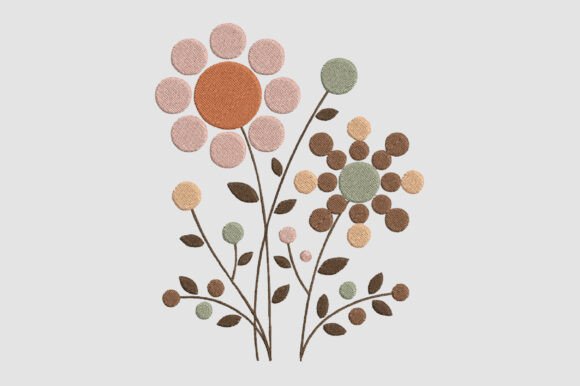
At first glance, the Embrodroy Floral Design exudes a classic, sophisticated charm. The description highlights "elegant and timeless flower patterns," which immediately suggests a style that appeals to a broad demographic, from the farmhouse aesthetic lover to the modern minimalist. In the crowded landscape of handmade markets, designs that feel too trendy can date quickly, but a floral motif with a traditional backbone often retains value year after year. This versatility is crucial for any Etsy seller or boutique maker looking to build a consistent brand identity without constantly reinventing their wheel.
The visual weight of the design feels balanced. It is not so dense that it becomes a heavy blob of thread, nor is it so sparse that it looks unfinished. This balance is vital when creating a finished product that needs to look premium under the harsh fluorescent lights of a convention center or the natural sunlight of an outdoor market. If you are looking for a tote bag design that elevates a simple canvas bag into a giftable item, this floral pattern offers the necessary decorative flair without overwhelming the fabric.
Product Performance: Where Does It Shine?
When preparing my booth display, I visualize how each design lands on different substrates. For the Embrodroy Floral Design, the application possibilities are extensive, but some stand out as true winners.
- Kitchen Textiles: This design is a natural fit for tea towel embroidery and apron embroidery. The botanical theme resonates deeply with home cooks and gardeners. A linen apron featuring this single flower in muted earth tones would likely be a best-seller, offering a practical yet stylish kitchen accessory.
- Totes and Market Bags: As a focal point on a sturdy cotton tote, the design acts as a statement piece. Unlike complex scenes that might get lost in the folds of a bag, a single, well-defined flower stands out clearly. This makes it an excellent choice for reusable shopping bags that double as fashion statements.
- Patches and Caps: For those interested in wearable accessories, this design works beautifully as an embroidered patch. Whether sewn onto a denim jacket or a baseball cap, the clean lines of the flower ensure clarity even on curved surfaces. However, care must be taken with the hoop size to ensure the flower doesn't distort on the curve of a cap.
- Home Decor: Pillow covers and small fabric pouches also benefit from this design. On a throw pillow, the Embrodroy Floral Design adds a touch of softness and nature-inspired elegance, appealing to buyers looking to refresh their living spaces with handmade touches.
Production Practicalities: From File to Fabric
While the aesthetic appeal is strong, the success of any commercial embroidery venture depends on production efficiency. When I load this machine embroidery design into my software, the first thing I check is the stitch density. Floral designs can sometimes suffer from overly thick areas where thread bunches, leading to puckering on lightweight fabrics like tea towels.
I recommend testing the Embrodroy Floral Design on scrap fabric before committing to your final inventory. Pay close attention to the thread colors; while the design may look stunning in vibrant reds on white, consider how it performs in subtle pastels on beige or grey backgrounds. Contrast is key for customer engagement at a distance. If the flower blends too much with the background, it won't catch the eye of a passerby scanning your table.
Another critical factor is the hoop size. Since this falls under the Single Flowers category, it should ideally fit within standard 4x4 or 5x7 hoops, making it easy to produce in batches. Batch production is essential for maximizing profit margins at a craft fair. If the design requires constant re-hooping or intricate manual adjustments, your output per hour drops significantly. Ensure the digital embroidery file is optimized for speed without sacrificing quality.
Careful Use Notes for Specific Fabrics
Not all fabrics play nice with every design. Here are specific considerations for the Embrodroy Floral Design:
- Textured Towels: Kitchen towels have a looped texture that can hide fine details. If your version of this design includes tiny petals or delicate stems, they might disappear into the weave. Opt for slightly bolder outlines if using textured terry cloth.
- Dark Fabrics: While dark backgrounds create high contrast, they require more stabilizer to prevent shadowing. Ensure you use a tear-away or cut-away stabilizer appropriate for the fabric weight to keep the flower crisp and floating above the material.
- Small Accents: While versatile, do not scale this design down too far. Tiny lettering or minute details within the flower can become muddy if reduced below a certain size. Keep it as a medium-to-large focal point for the best results.
Marketing and Visual Appeal
In the world of online sales and social media, photography is everything. The Embrodroy Floral Design photographs exceptionally well due to its defined shapes and organic curves. When creating printable mockups for your Etsy listings, the elegance of the flower translates seamlessly into digital imagery, enticing buyers before they ever see the physical item.
For the physical booth, consistency is king. Using this design across multiple product types—totes, towels, and patches—creates a cohesive brand experience. Customers recognize the signature look, which builds trust and encourages them to buy more than one item. This visual consistency strengthens your booth display, making it look professional and curated rather than cluttered.
Furthermore, the perceived value of a handmade product increases with a well-executed design. A simple canvas bag becomes a premium gift when adorned with a high-quality, time-tested floral pattern. Buyers are willing to pay more for items that feel thoughtfully designed and professionally finished.
Final Designer Checklist
Before you start stitching your entire inventory, run through this quick checklist to ensure success with the Embrodroy Floral Design:
- Test Stitch: Always run a test on the actual fabric you plan to sell to check for puckering or thread breakage.
- Stabilizer Check: Confirm you are using the right type of stabilizer for the specific fabric texture (tear-away for wovens, cut-away for knits).
- Licensing Verification: Double-check the license terms of your embroidery file. Ensure you are cleared to sell finished goods, especially if you plan to sell on platforms like Etsy or Amazon Handmade.
- Color Palette: Create a few variations using different thread colors to see which combination sells best in your local market.
- Mockup Creation: Produce at least one real-life sample of each product type to photograph for your marketing materials.
The Embrodroy Floral Design offers a solid foundation for a successful line of handmade goods. Its blend of classic beauty and practical versatility makes it a reliable asset for any creative entrepreneur. By paying attention to production details and presenting the work with confidence, you can turn this single flower into a cornerstone of your craft fair success.