Spoon and Fork: A Charming Kitchen Embroidery Design for Craft Fair Sellers
First Impressions: Subtle, Sweet, and Versatile
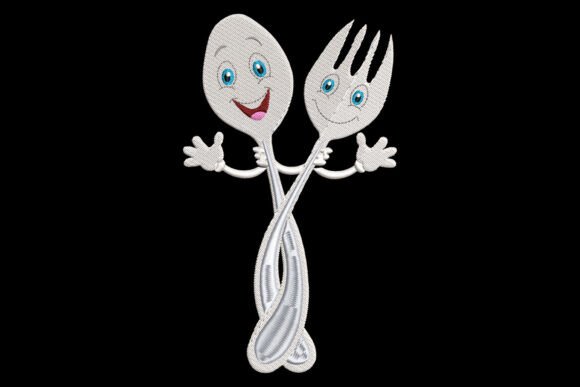
When I first opened the Spoon and Fork embroidery design, I was immediately struck by its understated charm. This isn't a loud or flashy design—it's the kind of embroidery that quietly draws the eye and invites a closer look. The design feels soft, slightly rustic, and just playful enough to work across a range of handmade products. It’s not overly whimsical, nor is it too formal. That balance makes it ideal for kitchen-themed items, especially those targeting a farmhouse or vintage-inspired aesthetic.
How Spoon and Fork Performs Across Craft Fair Products
Let’s get real—when you're setting up a craft fair booth, you need designs that work across multiple product types and catch attention fast. Spoon and Fork checks a lot of boxes:
- Tote bags: Works great as a centered accent near the bottom hem. Adds personality without overpowering the bag’s simplicity.
- Aprons: Perfect for chest-level placement. Gives a boutique feel that handmade shoppers love.
- Tea towels: Especially effective when stitched near the corner or border. Adds a decorative touch without interfering with the towel’s usability.
- Patches: Ideal for small appliqué or sew-on patches that can be added to denim, bags, or kids' clothes.
- Caps: Be cautious with placement and fabric choice. Works best on lighter-colored, smooth-textured caps to maintain clarity.
- Pillow covers: Excellent as a side or corner accent, especially when paired with coordinating text or patterns.
Design Visibility: From Booth to Etsy Listings
One of the first things I consider as an embroidery designer is how a design reads from a distance and in photos. Spoon and Fork doesn’t shout, but it does whisper charm. That makes it a great fit for a curated, lifestyle-driven booth or Etsy listing.
It’s not a design that jumps off the table, but it’s the kind that makes people stop and say, “Oh, that’s cute.” And that’s exactly what you want for gift items and boutique-style products. When photographing for digital listings, be sure to highlight the texture and detail in natural light to capture the design’s soft appeal.
Production Practicality: Batch-Friendly and Booth-Ready
If you're prepping for a weekend craft fair, you need embroidery designs that are easy to produce in batches without sacrificing quality. Spoon and Fork delivers on that front:
- It’s simple enough to stitch out quickly, even on mid-sized hoops.
- The design reads well at standard sizes, so you can confidently use it across various product types without scaling issues.
- It’s repeatable—once you’ve tested it once, you can confidently stitch it across multiple items without surprises.
That said, always test on scrap fabric first. Especially if you're working with textured towels or dark-colored materials, you may need to adjust thread contrast or stabilizer type to maintain clarity.
Watch Out for These Stitching Challenges
While Spoon and Fork is a clean and elegant design, there are a few potential pitfalls to be aware of:
- Dense stitch areas: Check for overly tight stitching in curved sections—especially on the fork tines or spoon bowl. These can pucker thin fabrics.
- Small details: If the design includes tiny lines or lettering, test how they stitch out at smaller sizes. Some details may get lost on patches or curved surfaces like caps.
- Dark fabric: On black or navy materials, subtle thread colors may not show up as intended. Opt for high-contrast thread or preview digitally with mockups.
Visual Appeal and Booth Display Strength
What makes Spoon and Fork stand out in a booth setting is its versatility and visual softness. It’s not competing with bolder, more graphic designs—it complements them. That makes it a great secondary or supporting design in a display of kitchen-themed goods.
Pair it with coordinating text like “Bake Me Happy” or “Let’s Eat” and you’ve got a cohesive, gift-ready product line. It also adds a touch of handmade quality that Etsy shoppers and boutique buyers appreciate.
From a branding standpoint, Spoon and Fork works well as part of a themed collection. If your shop leans into cozy kitchen motifs or vintage-inspired decor, this design fits right in.
Designer Tips Before You Stitch and Sell
Before diving into production, here are a few must-do checks every embroidery business owner should make:
- Test the design on scrap fabric before stitching your final product.
- Check thread contrast against your fabric color—especially for subtle outlines or fill areas.
- Review spacing and stitch density to avoid puckering or distortion.
- Confirm hoop size matches your machine’s capabilities.
- Use the right stabilizer for the fabric type—cutaway for stretchy materials, tear-away for stable cottons.
- Create at least one real mockup to see how the design looks in person and in photos.
- Compare fabric colors with thread choices to ensure visibility and appeal.
- Confirm commercial licensing—make sure the Spoon and Fork embroidery file allows for resale of finished products.
Final Verdict: A Solid Choice for Kitchen-Themed Handmade Goods
Overall, Spoon and Fork is a reliable, charming embroidery design that brings a touch of personality to kitchen-themed products. It’s not flashy, but it doesn’t need to be. Its strength lies in its subtlety and adaptability across tote bags, aprons, tea towels, and more.
For craft fair sellers and Etsy shop owners, this is a design that can quietly boost your product appeal and help you stand out in a sea of bold graphics. Just be mindful of fabric texture, thread contrast, and small details—and always test before you stitch at scale.
If you're looking for a versatile, kitchen-friendly embroidery file that stitches cleanly and sells well, Spoon and Fork deserves a spot in your lineup.