Tape Cassette Patch: A Retro-Inspired Design for Modern Small Business Branding
First Impressions: Playful Yet Polished
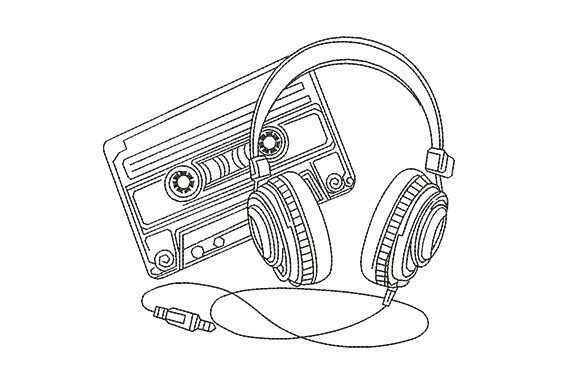
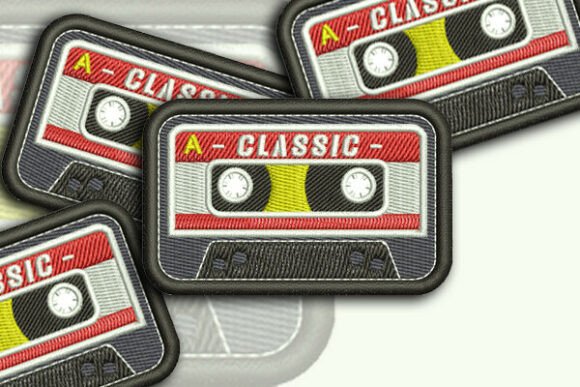
As an embroidery designer evaluating the Tape Cassette Patch, my first thought is that it strikes a perfect balance between playful nostalgia and professional design. The name alone evokes a sense of retro charm, which is increasingly appealing in today’s vintage-driven market. Based on the description, this machine embroidery design appears to be clean-lined and adaptable—ideal for small businesses looking to add a touch of personality without sacrificing polish.
It reads as both handmade and premium, which is a rare combination in today’s mass-produced landscape. That makes it especially appealing for Etsy sellers, local boutiques, and creative studios aiming to differentiate their merchandise with a unique but professional visual accent.
Real-World Business Applications
Let’s break down how the Tape Cassette Patch can be used in actual small business settings:
- Embroidered Patches: This design is well-suited for patch creation. Its likely minimal detail and bold outlines should translate well into sew-on or iron-on patches for jackets, bags, or uniforms.
- Staff Uniforms & Aprons: As a chest or sleeve accent, this patch adds a touch of brand personality. It’s simple enough to not overwhelm the wearer but distinctive enough to serve as a memorable branding element.
- Cap Embroidery: If the design isn’t too dense, it could work well on the front or side of a cap. Just be mindful of curvature and stitch density to ensure clarity.
- Tote Bag Design: Positioned on the corner or center of a tote, this patch becomes a conversation starter. Especially for music-themed shops or indie brands, it reinforces a curated, handmade product aesthetic.
- Product Packaging Accents: Whether stitched onto a tag or sewn into packaging for a boutique item, this design can elevate the unboxing experience.
- Event Merch & Customer Gifts: Limited-run merchandise or thank-you gifts with a branded patch can help build customer loyalty and repeat engagement.
Where to Use with Caution
While the Tape Cassette Patch seems versatile, there are a few considerations to keep in mind before production:
- Small Patch Sizes: If the design includes fine outlines or small details, shrinking it down might compromise clarity. Always test at intended size before bulk production.
- Cap Fronts & Curved Surfaces: These require careful hooping and digitizing to maintain shape and stitch integrity. The design must be scalable without distortion.
- Dark Uniforms: Thread color contrast is crucial. Test the design in both light and dark thread combinations to ensure visibility and professionalism.
- Textured Fabric: Rough or loosely woven materials may affect stitch definition. Use appropriate stabilizers and test on actual fabric before committing.
- Frequent Washing: For uniforms or workwear, ensure the design holds up under repeated laundering. High stitch density may lead to fraying or thread breakage over time.
Brand Identity & Customer Engagement
The Tape Cassette Patch is more than just a decorative design—it’s a branding tool. When used consistently across merchandise, it contributes to a cohesive brand identity that customers can recognize and connect with emotionally.
For small businesses, especially those in creative or music-related niches, this design adds a layer of authenticity and nostalgia. It tells a story—of craftsmanship, individuality, and a love for analog culture in a digital world. That kind of narrative builds trust and customer engagement, especially among younger, design-conscious audiences.
Additionally, because it’s described as easy to stitch and elegant on fabric, it enhances the perceived value of your product. Whether it’s on a tote bag or a staff apron, the design elevates the finished product from generic to boutique-level.
Practical Notes for Embroidery Designers
Before committing the Tape Cassette Patch to any commercial embroidery project, here are key steps I recommend taking:
- Test in Black and White First: Stripping away color helps you assess the design’s structure, contrast, and clarity.
- Check Small Patch Size Performance: Resize the embroidery file to the smallest intended patch and stitch it out to ensure legibility and proportion.
- Review Thread Color Contrast: Try different thread combinations to see which best highlights the design’s features on your target fabric.
- Inspect Spacing & Stitch Density: Avoid overcrowding or gaps that might affect the design’s appearance after washing or wear.
- Confirm Hoop Size: Make sure the hoop used is appropriate for the design’s dimensions and your embroidery machine’s capabilities.
- Test on Real Fabric: Never rely solely on a digital mockup. Physical samples reveal how the design interacts with the material.
- Use Proper Stabilizer: Especially for stretchy or textured fabrics, stabilizer is essential to prevent puckering or distortion.
- Create a Printable Mockup: Share visuals with clients or team members to gain approval before production begins.
- Compare Beside Other Design Assets: Ensure consistency with existing logos, fonts, and brand elements for a unified visual identity.
- Confirm Commercial Licensing: Always verify that the digital embroidery file is licensed for commercial use, especially when selling merchandise or creating branded patches for clients.
Final Thoughts
The Tape Cassette Patch is a smart addition to any small business’s design toolkit. Whether you’re creating custom apparel for a local café, embroidered totes for a boutique, or branded patches for event merch, this design offers flexibility, charm, and a touch of retro flair.
As an embroidery designer, I appreciate how it bridges the gap between decorative appeal and practical business use. With careful testing and thoughtful application, it can become a signature design element that strengthens your brand’s visual presence and resonates with your audience.