Pink Wildflower Spray: A Designer's Review
As an embroidery designer who has spent years translating digital files into tangible brand assets, I approach every new design with a critical eye. When I first opened the Pink Wildflower Spray file, my immediate reaction was one of cautious optimism. The title suggests a soft, organic aesthetic, which fits perfectly within the current trend of rustic elegance and handmade charm. However, for small business owners, apparel decorators, and merch creators, a pretty picture is not enough. We need to know if this design holds up under the scrutiny of commercial production.
This review evaluates Pink Wildflower Spray not just as a decorative element, but as a functional tool for building brand identity. Whether you are outfitting staff at a local café, creating custom patches for a boutique, or adding a finishing touch to tote bags for your Etsy shop, understanding the mechanics of this machine embroidery design is crucial before you commit to production.
First Impressions: Visual Personality and Brand Fit
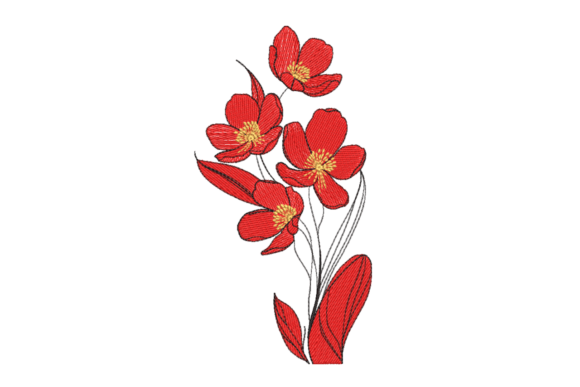
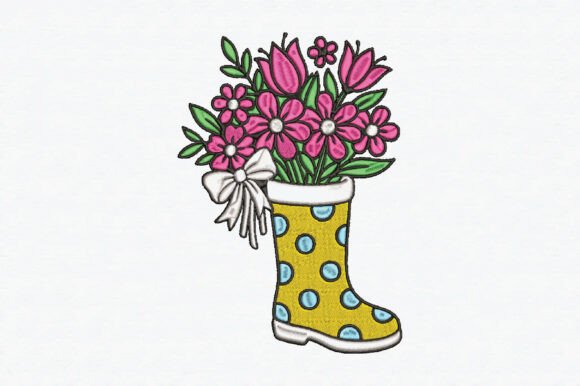
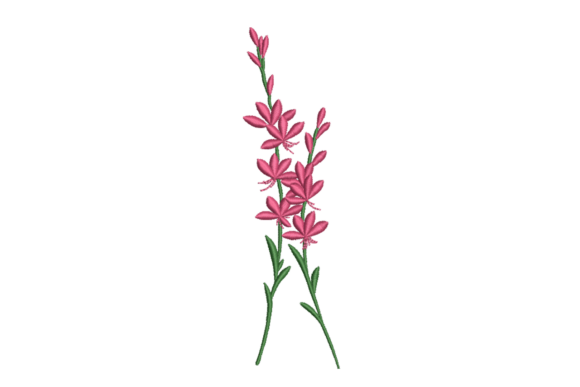
The visual language of Pink Wildflower Spray leans heavily into the natural world. It feels friendly, approachable, and distinctly artisanal. For businesses in the wedding industry, florists, bakeries, or pet brands, this design offers an immediate emotional connection. It screams "handmade" without looking amateurish. The arrangement of the flowers suggests movement and growth, which can subtly communicate values like freshness, care, and attention to detail.
However, the classification of this design under Wedding Flowers does not limit its utility. While it is undeniably romantic, the structural composition of the spray makes it versatile enough for broader applications. It avoids being overly fussy, striking a balance between decorative flair and clean lines. This balance is essential for brand identity. If your brand is about premium luxury, this might feel too casual. But if your brand is about community, warmth, and craftsmanship, Pink Wildflower Spray could be the perfect anchor for your visual assets.
Performance in Real Business Applications
When moving from the screen to the sewing machine, the true test begins. Here is how Pink Wildflower Spray performs across various commercial use cases:
- Embroidered Patches: This design excels as a standalone patch. The organic shape allows for creative backing fabrics, such as felt or twill, which can soften the look further. For a boutique clothing line, a Pink Wildflower Spray patch on the back of a denim jacket or the corner of a tote bag adds a high-value, custom feel that separates your product from mass-market competitors.
- Staff Uniforms and Aprons: In a café or bakery setting, apron embroidery needs to be visible but not overwhelming. Placing this floral spray on the bib pocket creates a focal point that is professional yet welcoming. It humanizes the staff uniform, making the business feel more personal to customers.
- Cap Embroidery: Caps present a unique challenge due to their curved surface. The flowing nature of the wildflowers adapts well to the curve of a cap front, provided the size is managed correctly. It works beautifully as a side-sleeve detail on work shirts or as a central logo accent on flat-brim caps.
- Tote Bag Design: Tote bags are essentially mobile billboards. A large-scale version of Pink Wildflower Spray on a canvas tote can serve as a statement piece. The texture of the thread against the weave of the canvas enhances the "organic" vibe, making it a desirable item for customer gifts or event swag.
For those selling digital files, offering this as part of a commercial embroidery package for other crafters is also viable. It serves as a strong asset for printable mockups, allowing designers to showcase how their own products would look with this elegant accent.
Strategic Considerations and Potential Pitfalls
Despite its versatility, there are specific scenarios where Pink Wildflower Spray requires careful handling. As a designer, I always advise clients to consider the following constraints before finalizing their order:
Size and Detail Retention
Floral designs often rely on fine details to define petals and leaves. If you attempt to shrink this design for a tiny buttonhole patch or a small sleeve logo, you risk losing definition. The delicate stems may become indistinguishable blobs of thread. Always check the minimum recommended size for this embroidery file. If the design is intended for a small area, consider simplifying the layout or increasing the stitch density slightly to maintain clarity.
Fabric Texture and Stabilization
The success of any floral embroidery depends heavily on the substrate. On smooth cotton or twill, Pink Wildflower Spray will pop with vibrant color. However, on textured fabrics like heavy wool, fleece, or knits, the intricate details can get lost in the fabric pile. Using the correct stabilizer is non-negotiable here. A tear-away stabilizer might suffice for woven fabrics, but a cut-away or wash-away mesh is likely necessary for stretchy materials to prevent puckering and ensure the finished product lays flat.
Color Contrast and Thread Selection
While the name implies pink, the design's impact relies on contrast. On a dark navy uniform, light pink threads will stand out beautifully. On a white shirt, you may need to adjust the thread colors to include deeper shades of magenta or burgundy to create depth. Avoid using low-contrast combinations unless that is a specific stylistic choice for your brand. Always test the color palette on the actual fabric before running a full batch.
Durability and Maintenance
Items like aprons and caps undergo frequent washing. High-stitch-density areas in floral designs can sometimes trap dirt or cause stiffness over time. Ensure the digitizing of Pink Wildflower Spray uses appropriate pull compensation so the stitches do not pucker after repeated laundering. For items that need frequent cleaning, a moderate stitch count is better than maximum density.
Impact on Brand Identity and Customer Trust
In the crowded marketplace of small business merchandise, consistency is key. Pink Wildflower Spray offers a way to unify your visual presence. When used consistently across custom apparel, packaging accents, and promotional items, it builds recognition. Customers begin to associate that specific floral motif with your quality and values.
Furthermore, the perception of value increases when a product features high-quality embroidery. A tote bag with a professionally stitched floral design feels more premium than one with a screen print. This tactile quality fosters trust; it tells the customer that the business cares about the details. For handmade brands, this attention to detail reinforces the narrative of craftsmanship, potentially justifying higher price points and increasing buyer engagement.
Practical Designer Notes for Implementation
To ensure the best results with Pink Wildflower Spray, follow these practical steps:
- Test in Black and White: Before selecting thread colors, run a test in black or grey. This helps you see the flow of the design and identify any potential gaps or spacing issues without the distraction of color.
- Verify Hoop Size: Confirm that your hoop can accommodate the full width and height of the spray. If the design is larger than your hoop, you will need to split the design, which can disrupt the natural flow of the flowers.
- Create a Mockup: Use a printable mockup to show clients exactly how the design will look on the final garment. This manages expectations and prevents costly mistakes.
- Check Licensing: If you are buying this as a digital embroidery file, confirm the commercial licensing terms. Ensure you have the right to use it for unlimited production of branded merchandise.
- Compare with Other Assets: Place the design next to your existing logos or text elements. Does it complement them? Or does it compete for attention? Balance is vital for a cohesive brand image.
In conclusion, Pink Wildflower Spray is a robust and versatile option for small business merchandising. It bridges the gap between decorative art and functional branding. By respecting its limitations regarding size and fabric, and by leveraging its strengths in texture and emotion, you can create a finished product that elevates your brand and delights your customers. Whether it ends up on a chef's apron, a florist's cap, or a boutique's signature tote, this design has the potential to become a beloved symbol of your business.